Selected work
Books
Books on environmental communication, education, Thoreau, Emerson, reform, and climate justice.
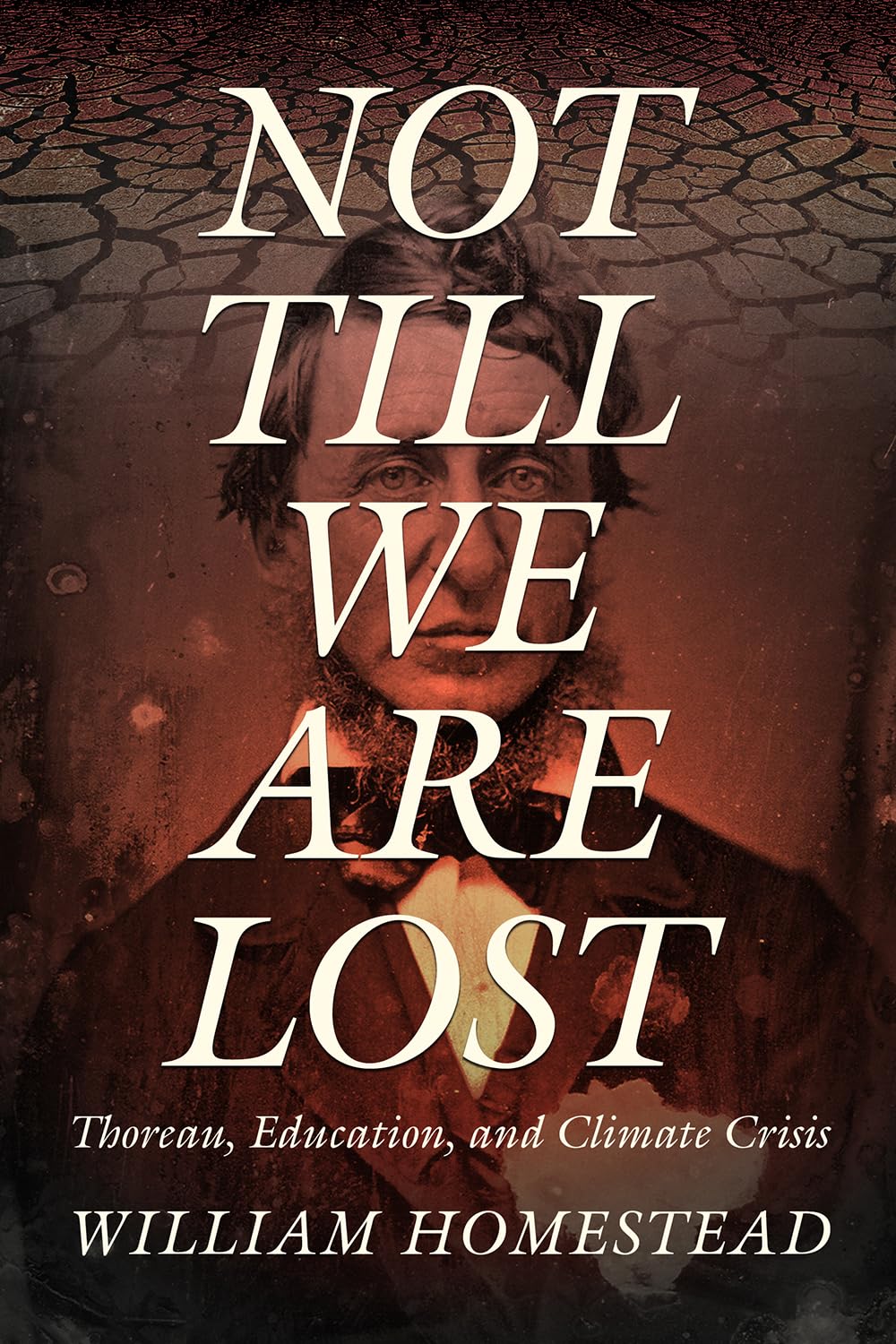
Not Till We Are Lost: Thoreau, Education, and Climate Crisis
William Homestead takes readers inside the classroom, where most students are following the dictates of market-model education--interwoven with the cult of consumerism, techno-addictions, and the understandable need to get a job--rather than exploring their inner lives and responding to our collective lostness in an age of climate crisis. For Homestead, the "lucrative standard" must be balanced with turning within and listening to deeper wells, expressed in differing traditions as the Greek daemon, the "still, small voice" of Christian mysticism, Jung's process of individuation, and especially Emersonian self-reliance. Humanity is called by inner intelligence in sympathy with ecosystem intelligence and the soul of the world. As Thoreau modeled, such deep listening, and then acting on what we learn, is the deeper measure of being educated. Lest we lead lives of quiet desperation, we desperately need an educational system that mirrors this reality.
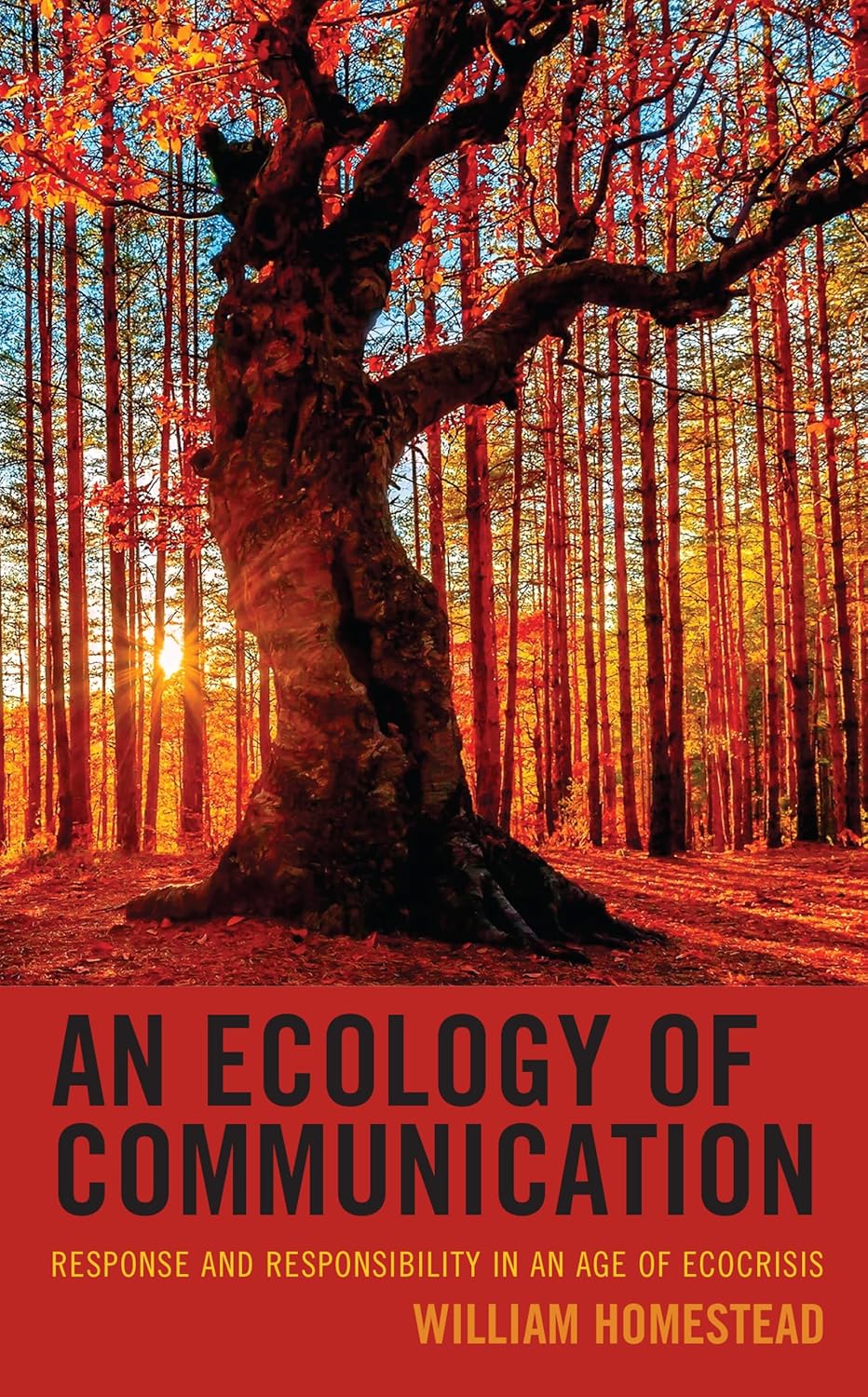
An Ecology of Communication: Response and Responsibility in an Age of Ecocrisis
An Ecology of Communication addresses an ecological and communicative dilemma: the universe, earth, and socio-cultural life world are resoundingly dialogic, yet we have created modern and postmodern cultures largely governed by monologue. This book is indispensable reading for scholars and students of communication, ecology, and social sciences, as it moves readers beyond the anthropocentric bias of communication study toward a listening-based model of communication, an essential move for discerning fitting responses and the call to responsibility in an age of ecocrisis.
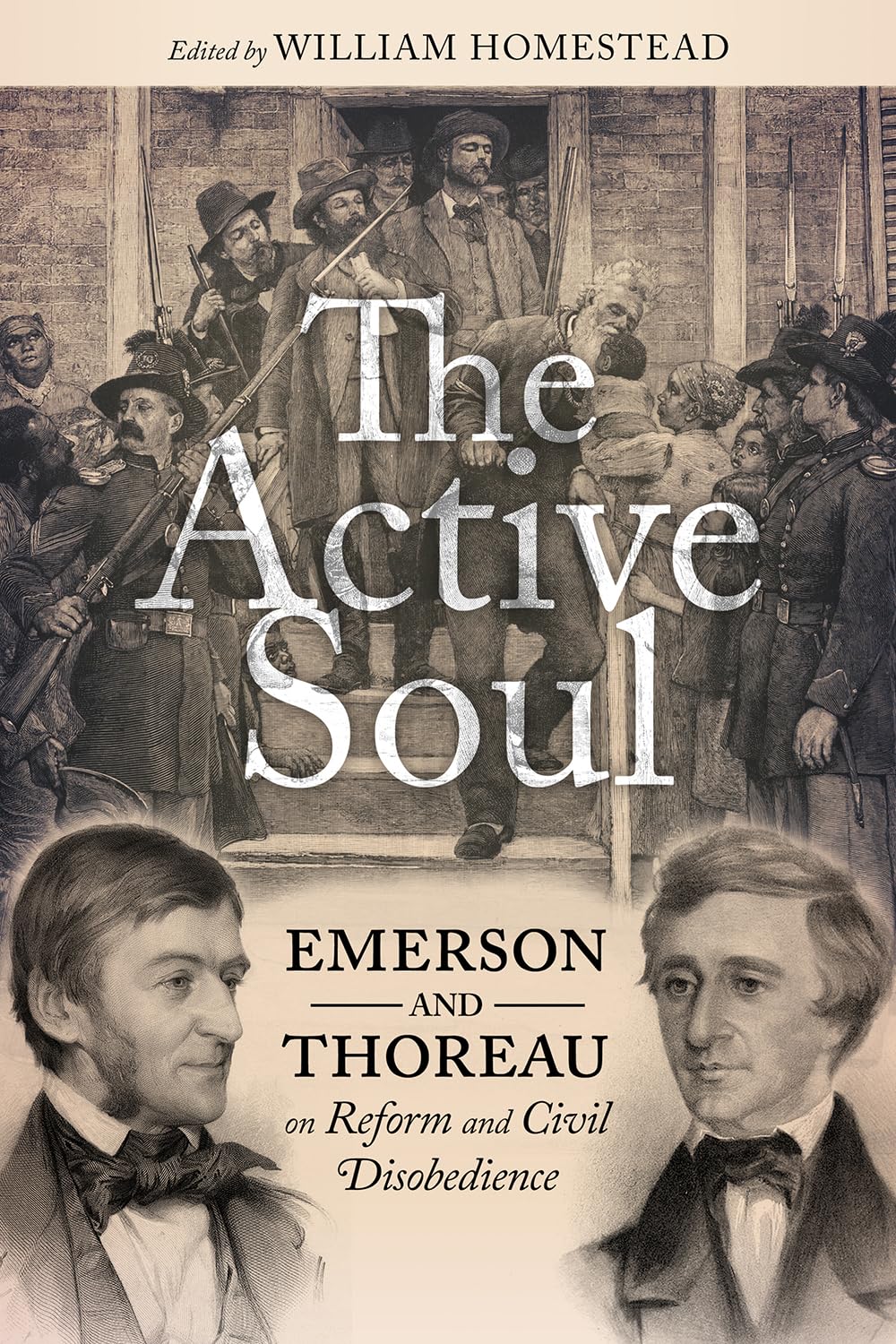
The Active Soul: Emerson and Thoreau on Reform and Civil Disobedience
Emerson and Thoreau are worth studying for their response to a burgeoning techno-industrial capitalist world, as well as the intolerable and seemingly intractable institution that fueled it: slavery. Their abolitionist work is the main focus of the essays and speeches in this volume. By exploring that work we also find the roots of today's intolerable and seemingly intractable injustices, including climate injustice fueled by environmental racism. But what does effective counter-friction activism look like? Do we fight for reform of existing institutions or more radical change or both? Do we start with changing ourselves or society or both? What are the best strategies and tactics for changing lifeways and structures? What rhetoric is most persuasive? Is violence ever a proper response to violence? Does turning to violence lead to the loss of the moral high ground? How should we define violence? How can we pursue the ethical good while putting up the good fight? Emerson and Thoreau do not have final answers to these questions. No one does as they are ongoing questions that need ongoing and always renewed responses. But there are plenty of lessons to be learned from the writings, and actions, of Emerson and Thoreau, who delved deeply into these questions by applying transcendentalist principles to the abolitionist cause. We need to mine those lessons if we are to fittingly respond to our Anthropocene angst and call forth a better future. This much is clear: we need the active soul